Designing an customer support application from 0 to 1
Role
Founding Lead Product Designer
Type
0-to-1 Web Application & Design System
Scope
Product Strategy
Information Architecture
End-to-End Core Web App Design
%20(1).png)
Problem
After its initial 0→1 launch, Mava struggled to scale to larger Web3 teams. Fragmented cross-channel syncing (Discord, Telegram, Web chat), intense manual ticket sorting, and an unpolished admin UI compromised trust, increased overhead, and led to agent burnout during high-traffic market events.
Result
Ticket resolution workflows scaled autonomously, reducing manual triage workload by nearly half. The interface refresh successfully helped Mava cross the chasm into enterprise territory, making it credible enough to onboard major crypto protocols and decentralized autonomous organizations (DAOs).
Solution
I designed a unified, multi-channel workspace that consolidated user context into a single view, streamlined complex bot permission onboarding, and led a full UI refresh across the platform to raise visual polish and perceived enterprise maturity.
The High-Velocity Workspace
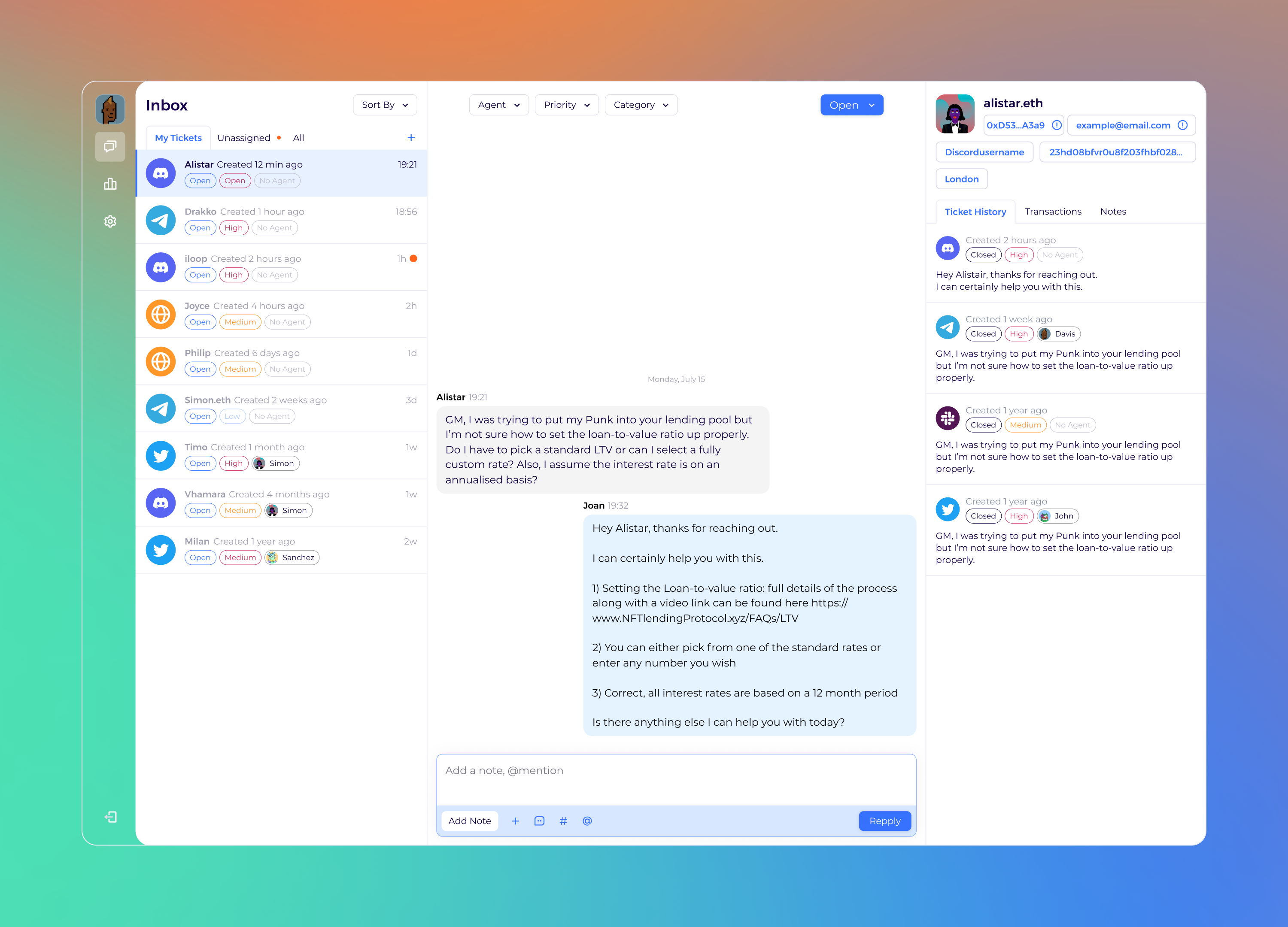
Mava is a specialized support platform designed for hyper-growth digital communities across Discord, Telegram, and Slack. In these environments, support agents face an intense cognitive load, often juggling dozens of fragmented, real-time message threads simultaneously. As the founding Lead Product Designer, my challenge was to take a completely blank canvas and architect an enterprise-grade web application and a bulletproof, multi-mode design system from scratch. The primary goal was clear: normalize disparate data streams into a single, high-density dashboard that minimizes response latency while making engineering handoff completely frictionless.
Multi-Mode Spatial Logic & Design Tokens
Designing an interface for community managers requires an acute understanding of workspace environments. Web3 and tech support power-users almost exclusively operate in dark environments, while corporate workspace managers require strict light-mode compliance. Building a bulletproof token-driven multi-mode engine from day one was a structural requirement, not a visual afterthought.
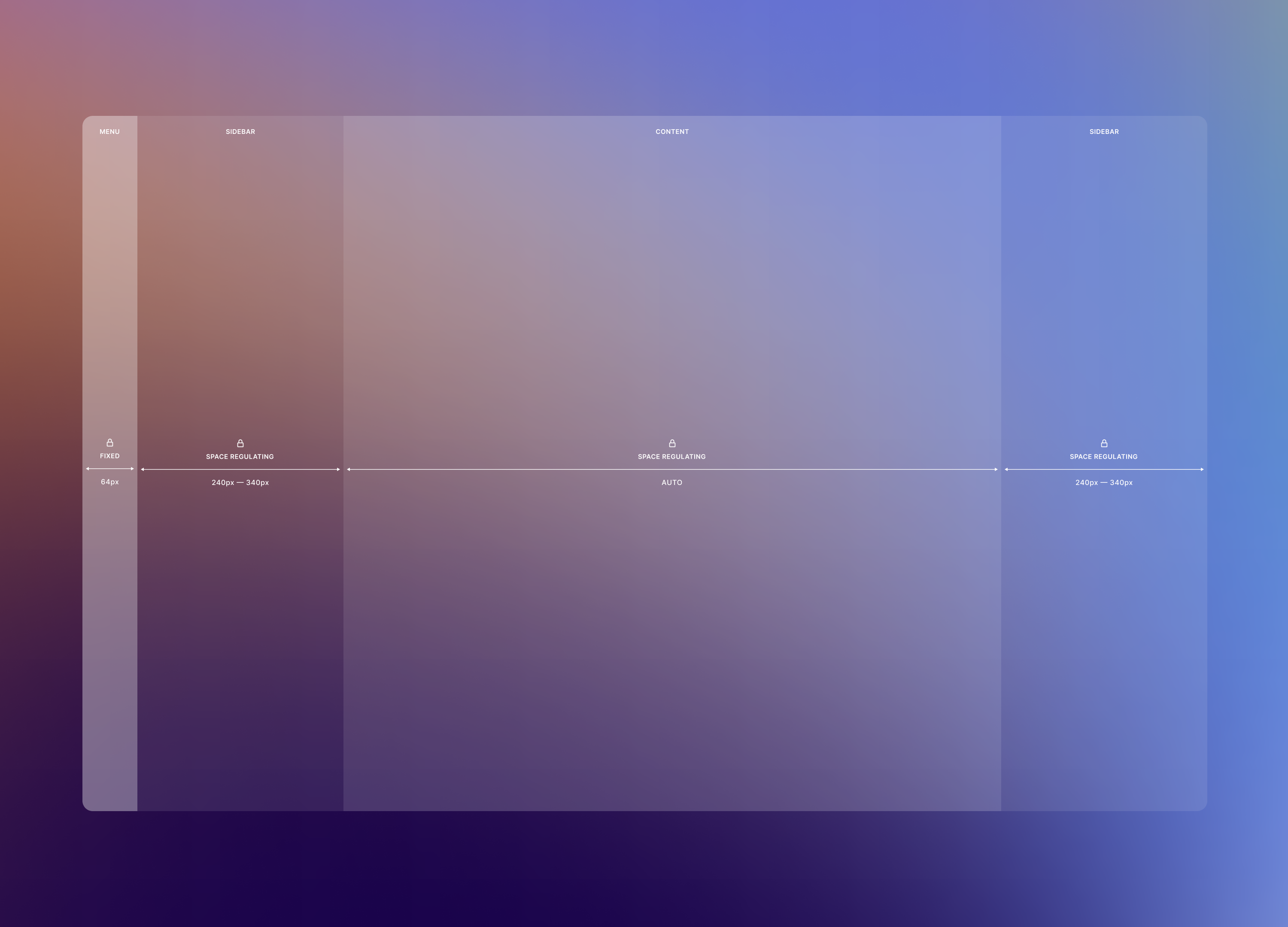
Taming Density with the Column Workspace Engine
The central UX failure of modern cross-platform aggregators is cognitive fatigue caused by disjointed information layouts. An agent monitoring an active Discord thread, a public Telegram channel feed, and a structured Slack workspace DM simultaneously needs absolute structural clarity.
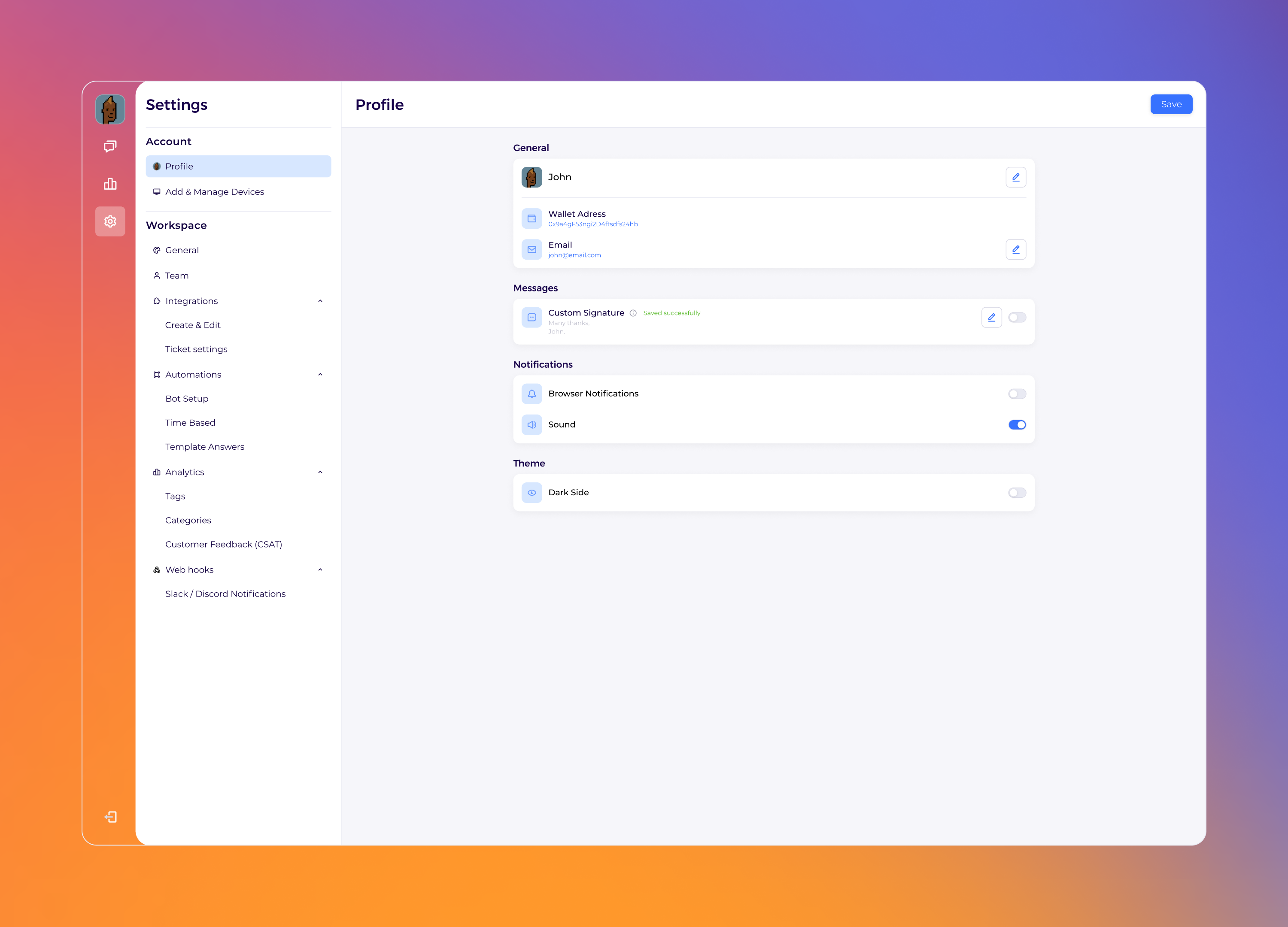
Frictionless Development Engineering
Building an MVP in an early-stage startup landscape means speed-to-market is everything. Design output can never stand in the way of immediate engineering cycles.
To bypass the limits of static prototype boards, I created high-fidelity functional transition prototypes mapping out exact swipe-to-close gestures, micro-interactions, flex layouts, and reactive sidebar expansions. Every layout group was mapped alongside rigid pixel-level padding definitions, enabling the core development team to scale Mava from raw wireframe strings into a production-ready application within an aggressive engineering runway.
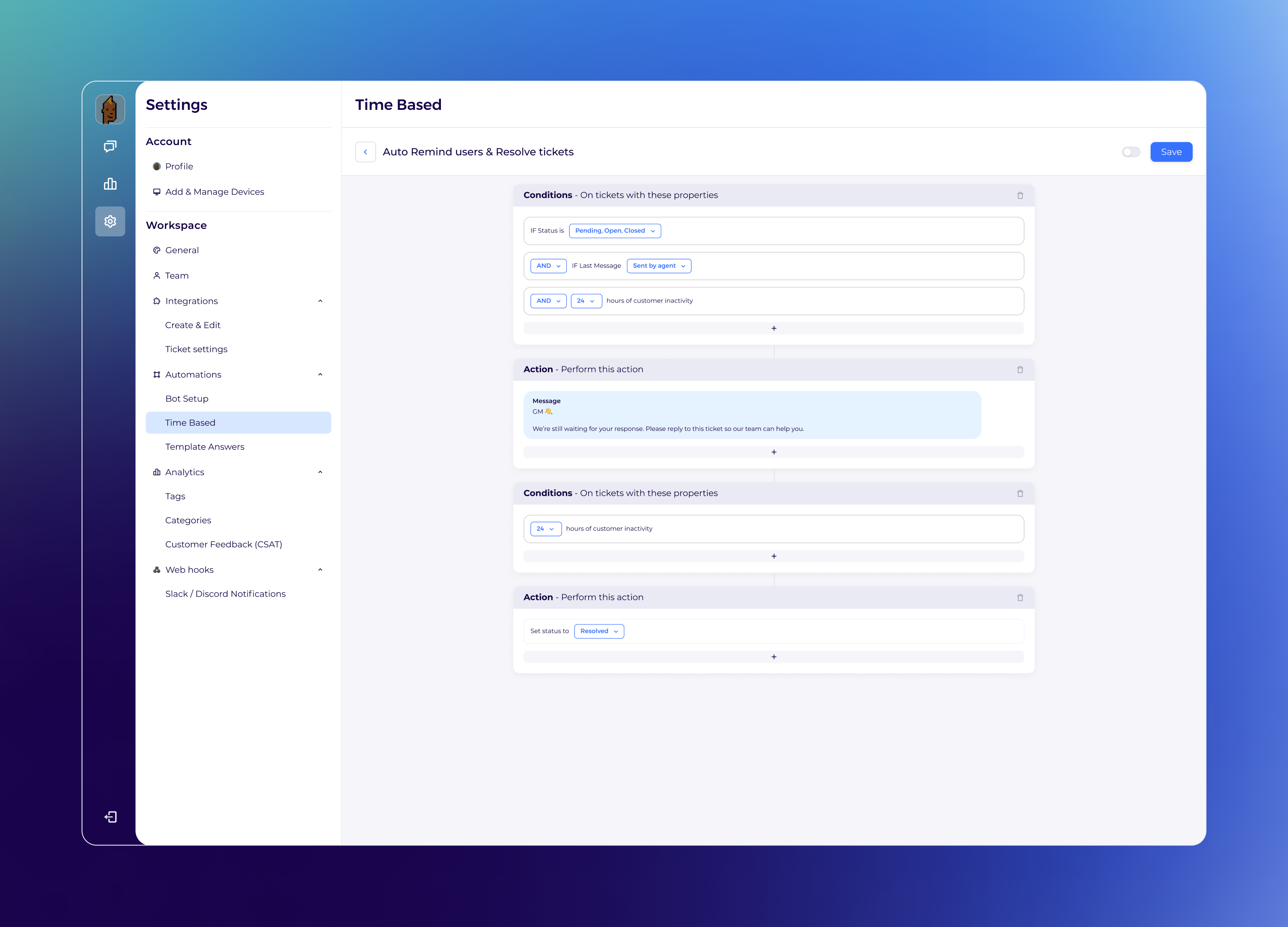

Foundational Impact & Scalability
By establishing a systemized, token-driven structure from the very first pixel, Mava successfully launched its MVP web application with a highly compressed development timeline. The rigid 8px grid and component architecture allowed the engineering team to deploy new features rapidly without breaking layout systems or manual code refactoring. More importantly, the highly optimized, dense 3-column inbox drastically reduced operator cognitive strain, establishing Mava as a premier, high-performance workspace tool for modern, fast-moving digital communities.